
Welcome to The
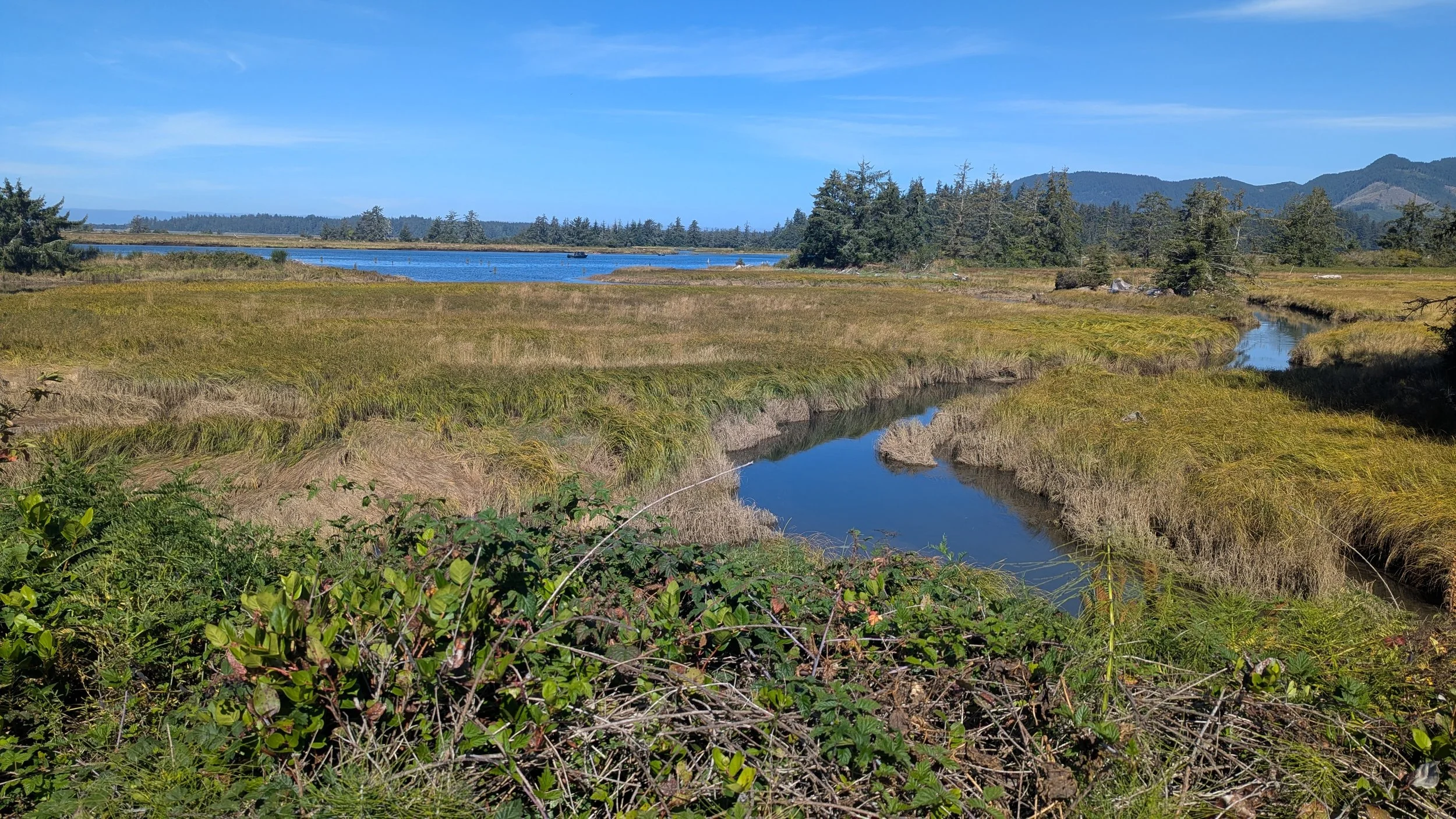
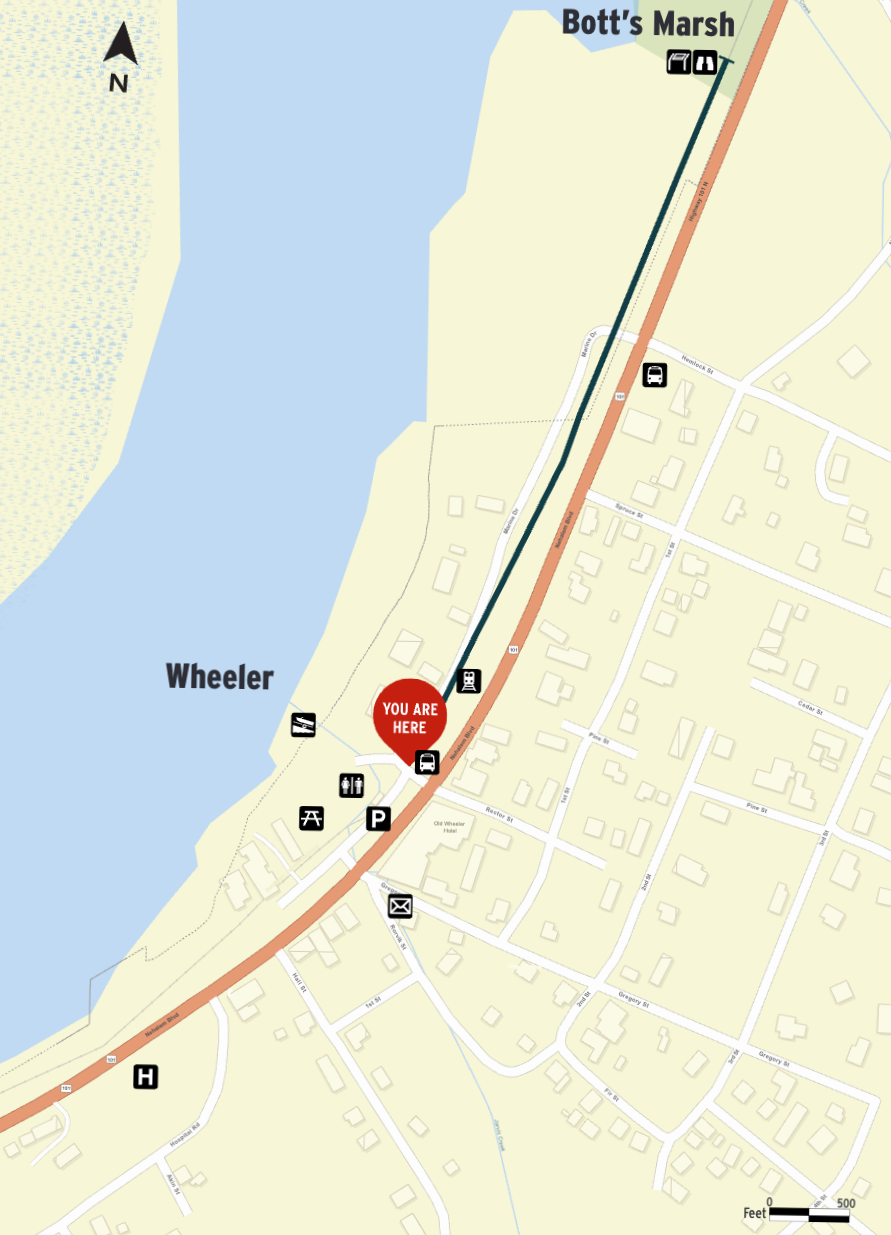
Welcome to the Wheeler Demonstration Trail; the first completed segment of the Salmonberry Trail! While the Wheeler trail stands at 0.8 miles, the eventual Salmonberry trail will stretch 82 miles, driving both south to Tillamook and east to Banks. This segment leads hikers and bikers through the town of Wheeler to Bott’s Marsh, providing opportunity for further nature exploration or tourism.
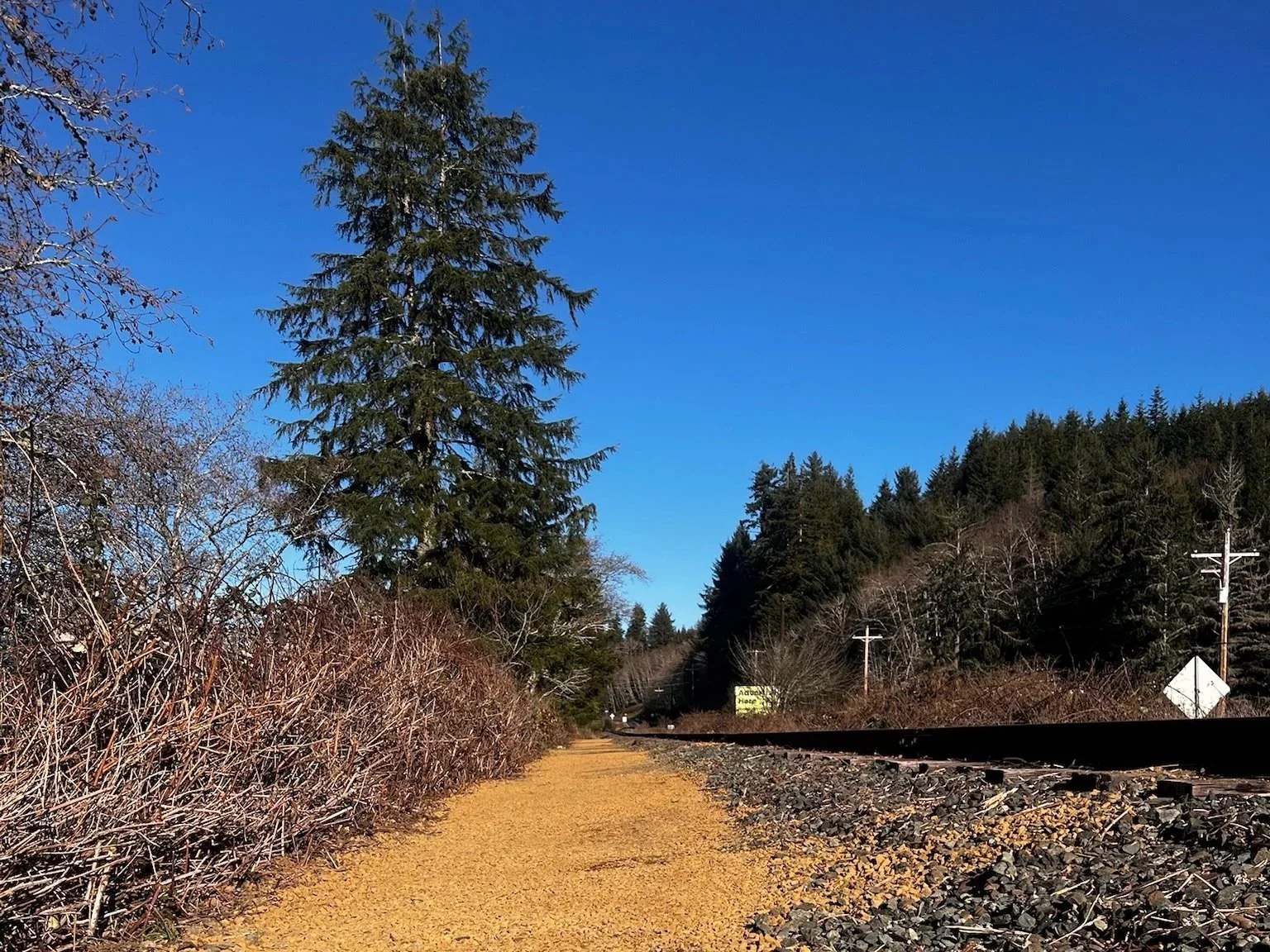
Being a rail-to-trail project, this first segment of the trail runs along the railroad on compacted gravel with 0 elevation gain. The completed Salmonberry Trail will continue to follow the Port of Tillamook Bay railroad which fell out of use in 2007 after a storm caused major damage to the tracks further east in the Salmonberry River canyon.
This is a perfect short path for hikers and bikers of all skill levels to get a taste of what the Salmonberry Trail has to offer across Oregon. The dream of the Salmonberry trail lies in uplifting what is so special about this region– the communities who call it home and the beautiful ecosystems that surround them. The trail will boost connection, tourism, recreation, economic vitality and public health throughout NW Oregon.
Join us along the way!
After your hike, we’d love to hear what you think of the segment. Please share your feedback on the Salmonberry Trail, every opinion is important to our work as we continue building the trail.
Know Before You Go
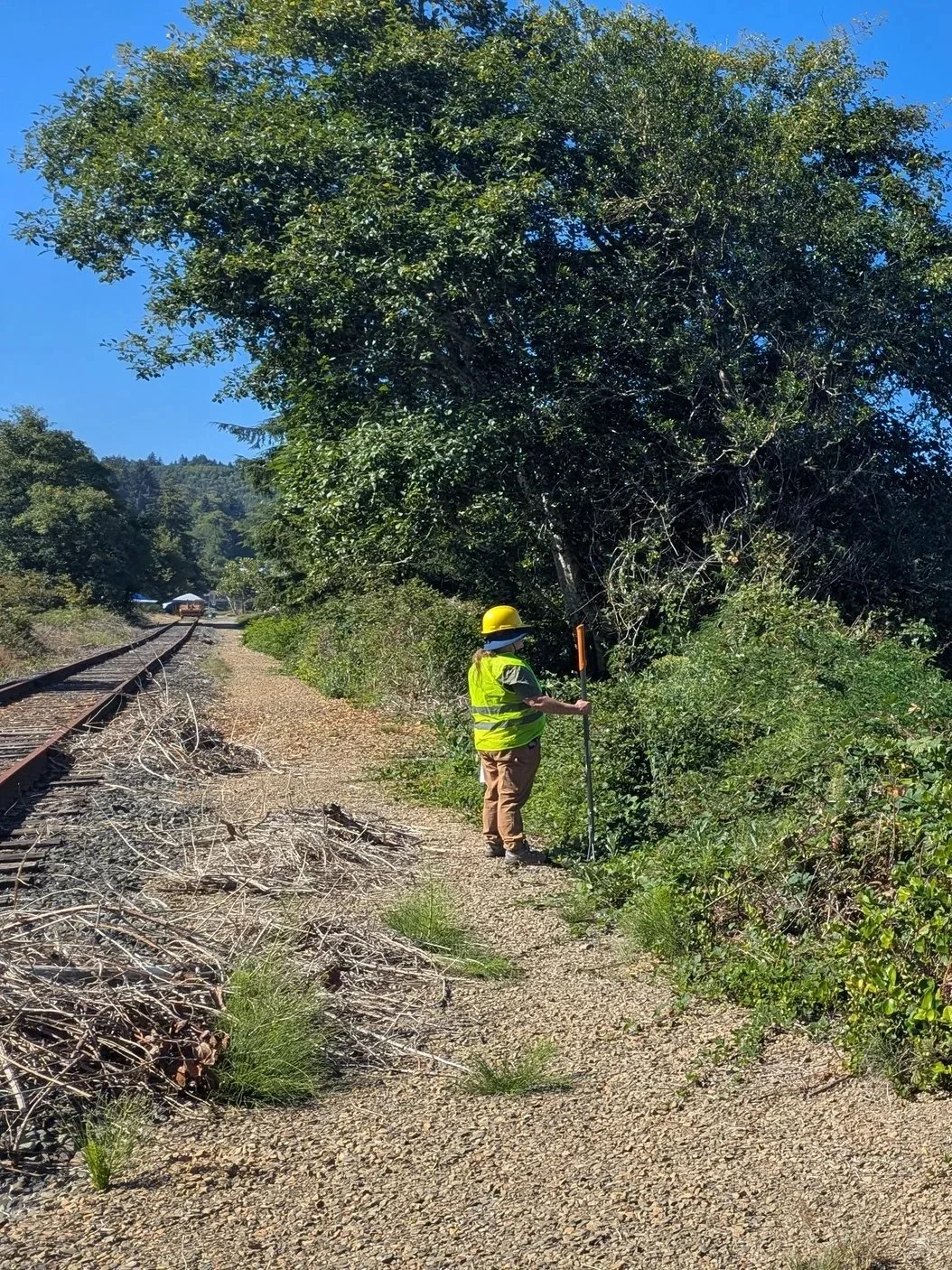
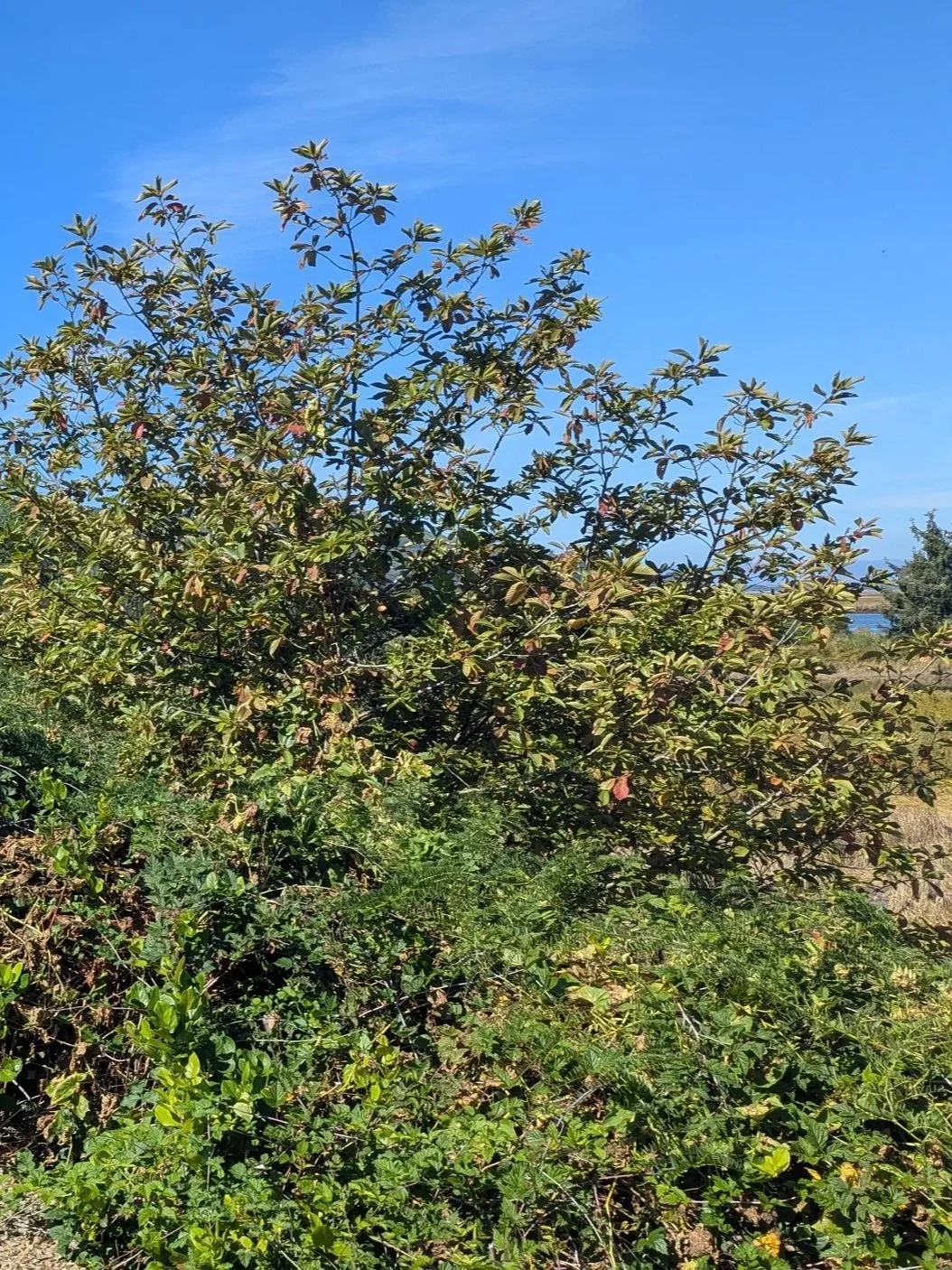
The 0.8 mile trail’s surface is covered in a layer of compacted gravel, rendering it usable for both hiking and biking. It is 3-5 feet wide, but most typically 5 feet. There is no elevation gain and the trail has a maximum 5% grade. There is a typical 2% cross slope.
Trail Conditions
When to Go
The demonstration trail is open for day use only, meaning it is usable from dawn to dusk.
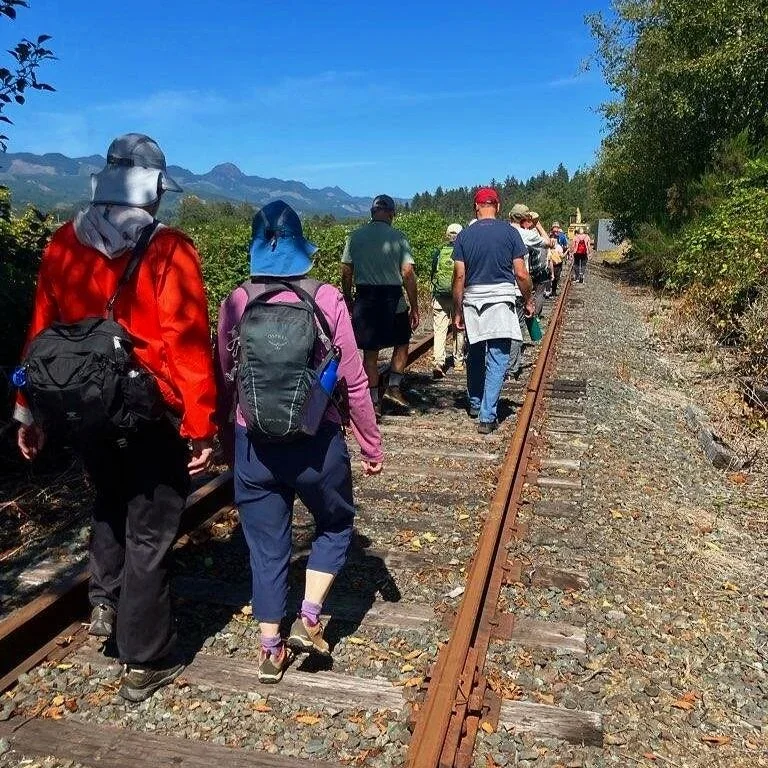
When on the trail, be sure to help preserve it for future use by staying on the trail, keeping pets on leashes, picking up pet waste and trash, and only parking in designated areas. As well, be safe and communicate with other trail users to pass and yield along the trail (bikes yield to hikers), and stay clear of the train tracks and crossings.
Respect the trail
Any issues on the trail?
Resources
Need Assistance On The Trail?
In an Emergency: Call 911
Tillamook Sheriff Non-Emergency Dispatch: (503) 786-7500
Trail contact: (503) 213-4657
Find More Information About the Salmonberry Trail Here:
Welcome to Wheeler, OR
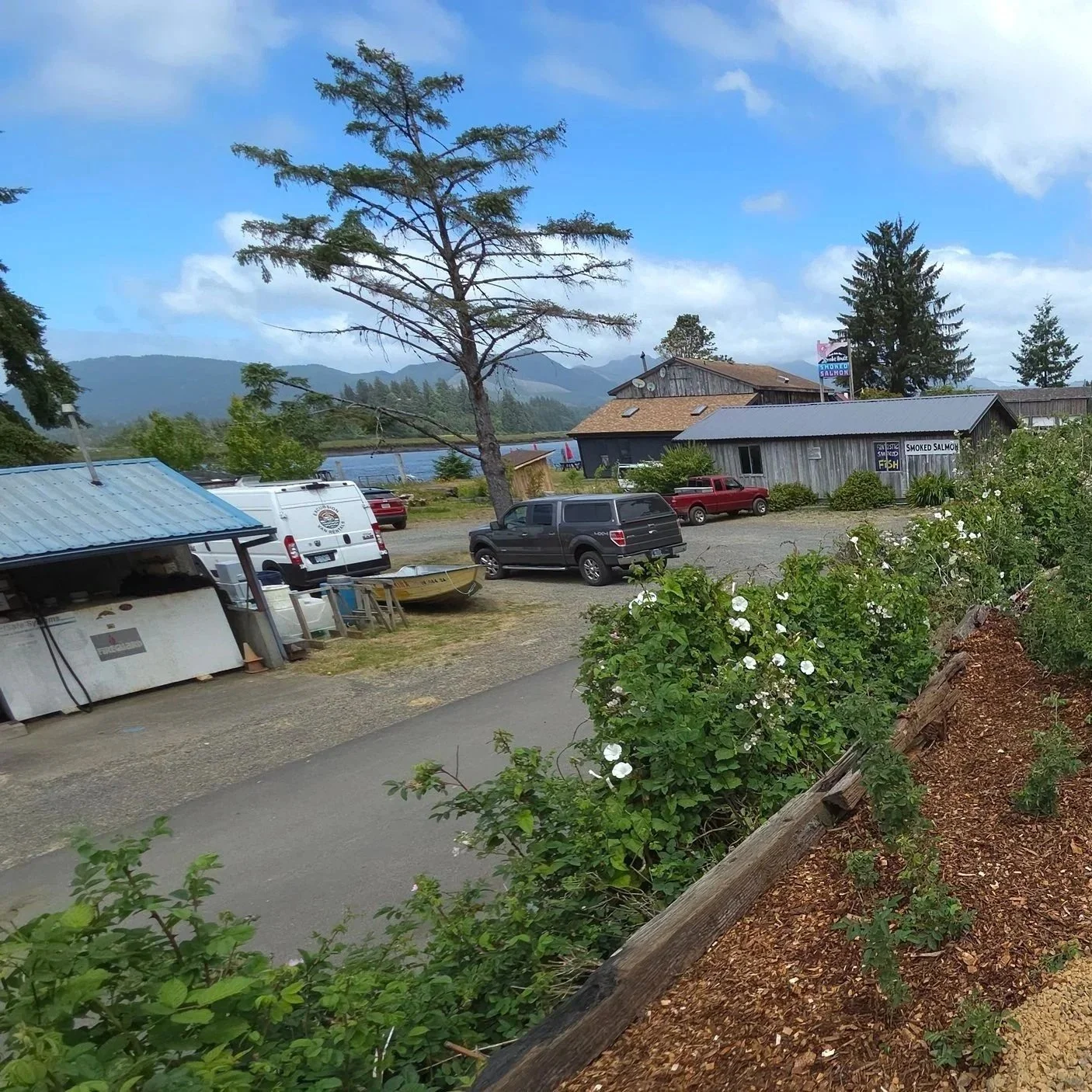
Beginning in 1910 as a lumber and fish-packing town, Wheeler, Oregon is a scenic coastal village best known for its historic buildings, beautiful coastal views, and sunny micro climate.
The land Wheeler sits on was initially home to the Nehalem band of the Tillamook people, who lived in longhouse villages surrounding the bay until their forced relocation to the Coast Reservation in 1855. To native inhabitants, the area was known as Pukalni, meaning “hole in the sky.” This is due to the hills which surround Wheeler, keeping the sky sunny and free from the fog and mist that shrouds other areas of the Pacific Northwest coast.
The town of Wheeler was founded by Coleman Wheeler, who came to the Oregon coast in the mid-1890s seeking to begin a logging business. After building a mill, Wheeler built several houses to attract workers, leading to a boost in population that led to the establishment of incorporated Wheeler in 1911, reaching nearly 800 residents in its peak in the 1920s. Around the same time, the commercial fishing industry was shifting from the Colombia River to the Oregon Coast. Two canneries opened in Wheeler, drawing Chinese immigrants who came for work, and gill net fishing in Nehalem Bay became a core part of the industry.
The Wheeler Mill and fish canneries were central to Wheeler’s economy in the beginning, but the town has evolved since. The Great Depression alongside the Tillamook Burn in the 1930s led to the closing of the lumber mill, causing a mass exodus of workers leaving for opportunity elsewhere, cutting Wheeler’s population in half. On the other hand, the 1956 fish conservation laws outlawing fishing methods outside hook and line closed the commercial fishing industry. However, outside of these industries the town began to gain a new draw– it’s historical architecture and coastal access.
About Wheeler
-
-
- -
Wheeler and The Salmonberry Trail
The railroad the Salmonberry Trail is built on has a historical connection to Wheeler and its economy. Now, the transformation of the railroad follows the transformation of Wheeler towards recreation and historical and natural value. When the railroad was first completed in 1911, the connection between Wheeler and Portland boosted the lumber economy by providing a route of delivery for lumber through the mountains. Even after Wheeler began to shift its economy away from lumber, the train continued to transport lumber from mills near Tillamook up until the 2007 storm which left the railroad beyond repair. This washout led to the abandonment of the railroad as lumber transport and Wheeler further shifting towards coastal tourism. This same washout would lead to a shift in the use of the railroad itself; from the lumber industry to the beginnings of the Salmonberry Trail.
Explore Wheeler
Beginning at the Salmonberry Trailhead…
Things to See
Old Wheeler Hotel
Wheeler Station Antiques
Nehalem Bay State Park and Bott’s Marsh
Things to Do
Wheeler Marina
Oregon Coast Scenic Railroad
Oregon Coast Railriders
Good Eats
NeahKahNie Smoke House
The Salmonberry
The Roost
Rising Star
Guided Hikes
Work Parties
Happy Hours and other Community Events!
Love the Trail? Give Back!
Work Parties and Community Events
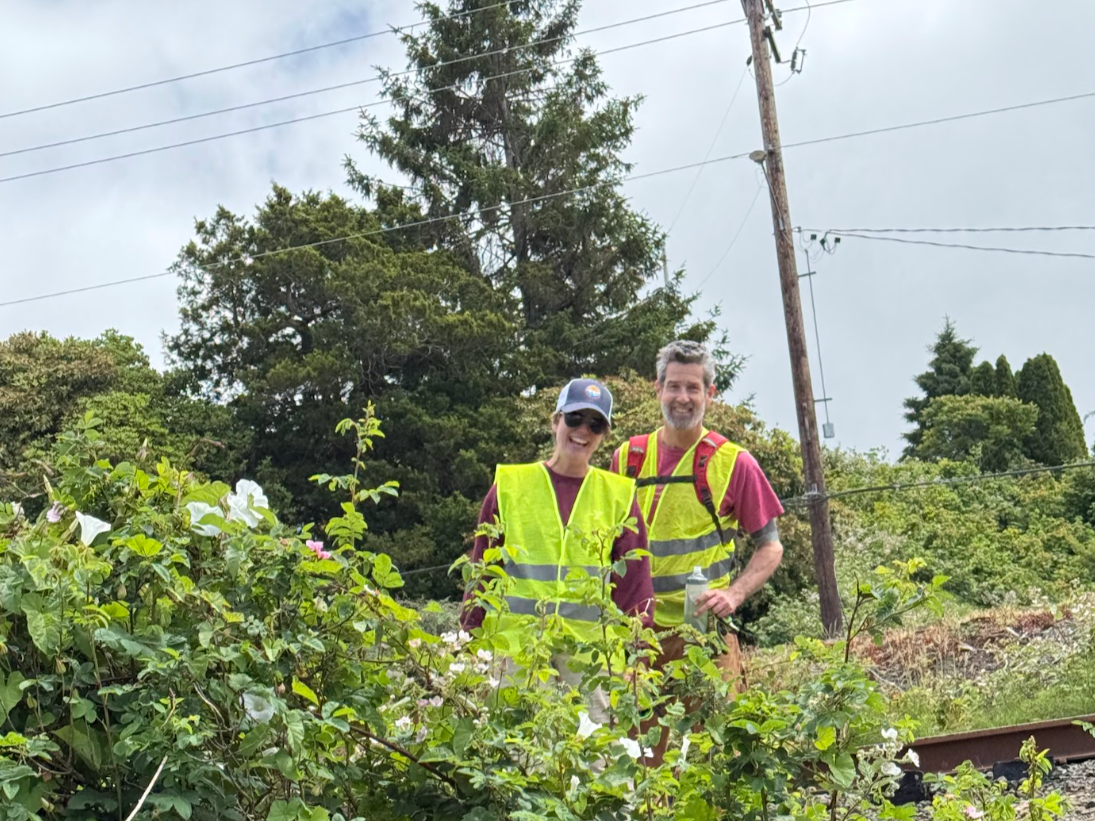
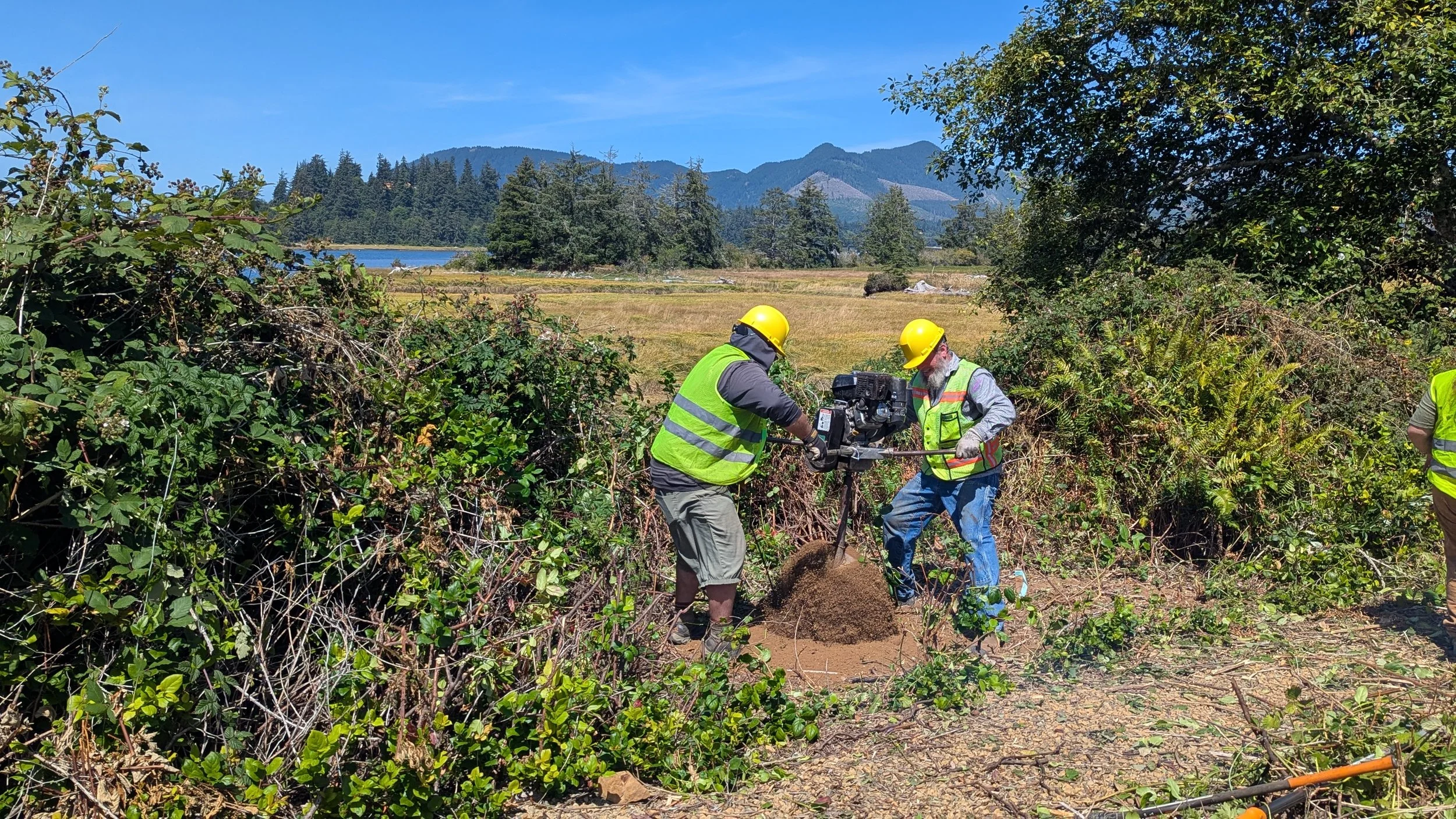
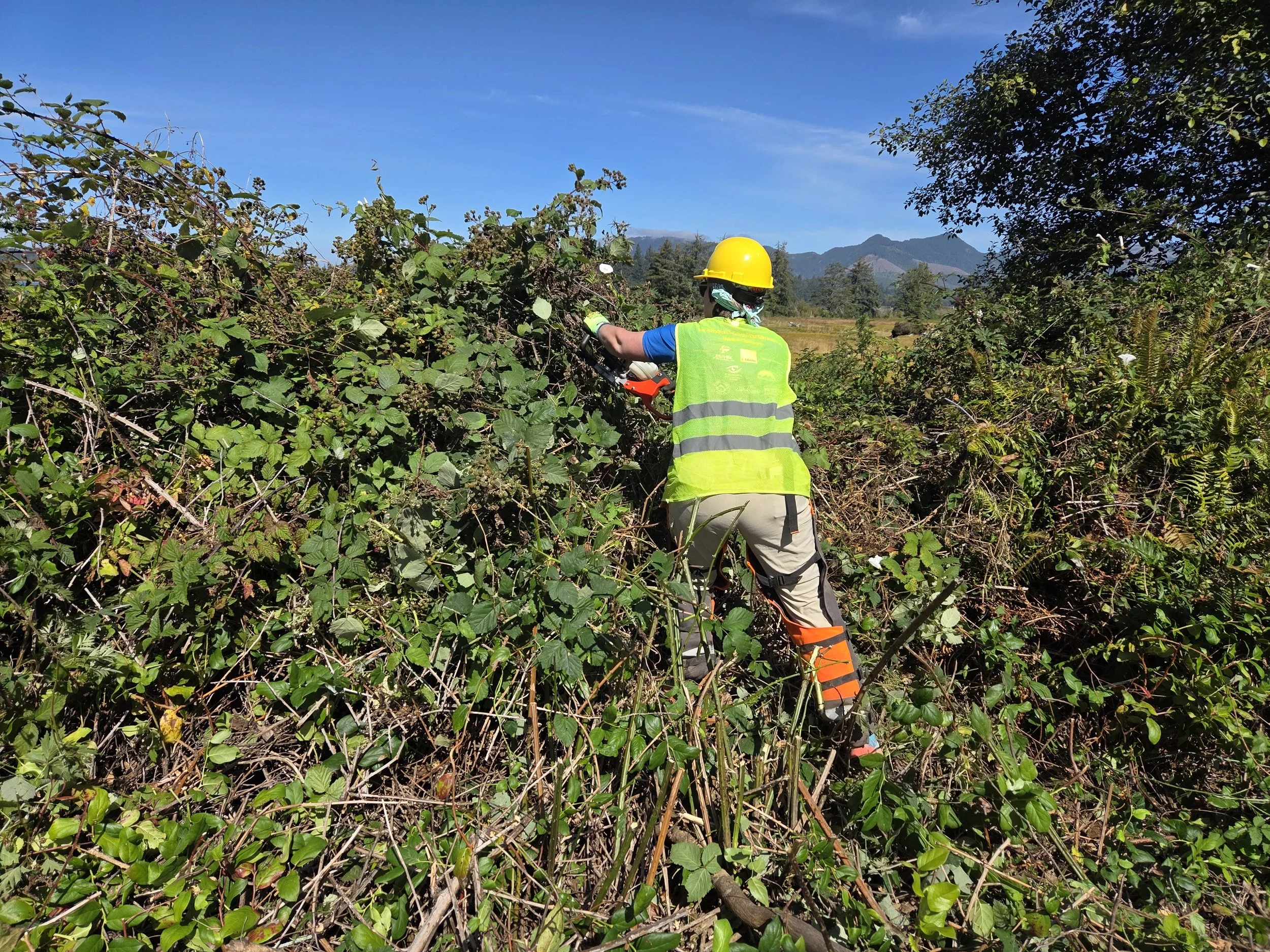
We are dedicated to building a community surrounding the mission of the Salmonberry Trail and can always use help from volunteers and passionate community members. We regularly have work parties for trail building and maintenance as well as guided hikes for those interested in parts of the trail not yet open to the public.
Watch our Mobilize for our regularly updated schedule of work parties and community events, and sign up for our newsletter if you would like to keep up with trail progress and volunteer opportunities!
Donations
Donations are always helpful to the work that we are doing to build and maintain such an ambitious rail-to-trail project. Donate here to aid in the construction of a longstanding legacy project.
Looking Forward
Currently, we are working towards our Learning Mile near Stub Stewart Park and the beginning of the Banks-Vernonia Trail. While this will provide an accessible segment of the trail closer to its eastern boundary, it will also be an outdoor space to work with local schools in teaching about flora, fauna, and natural restoration and preservation in Oregon.